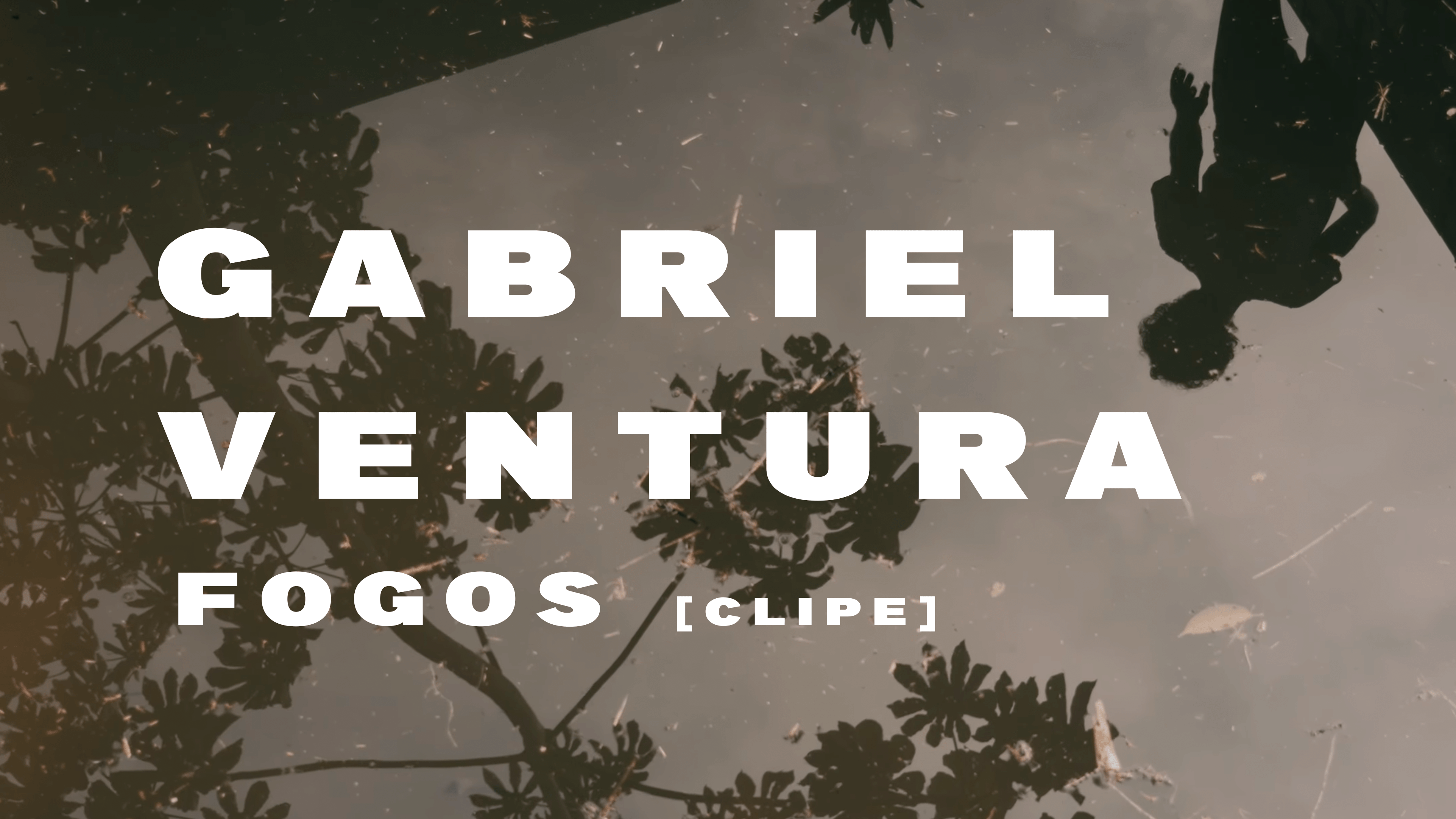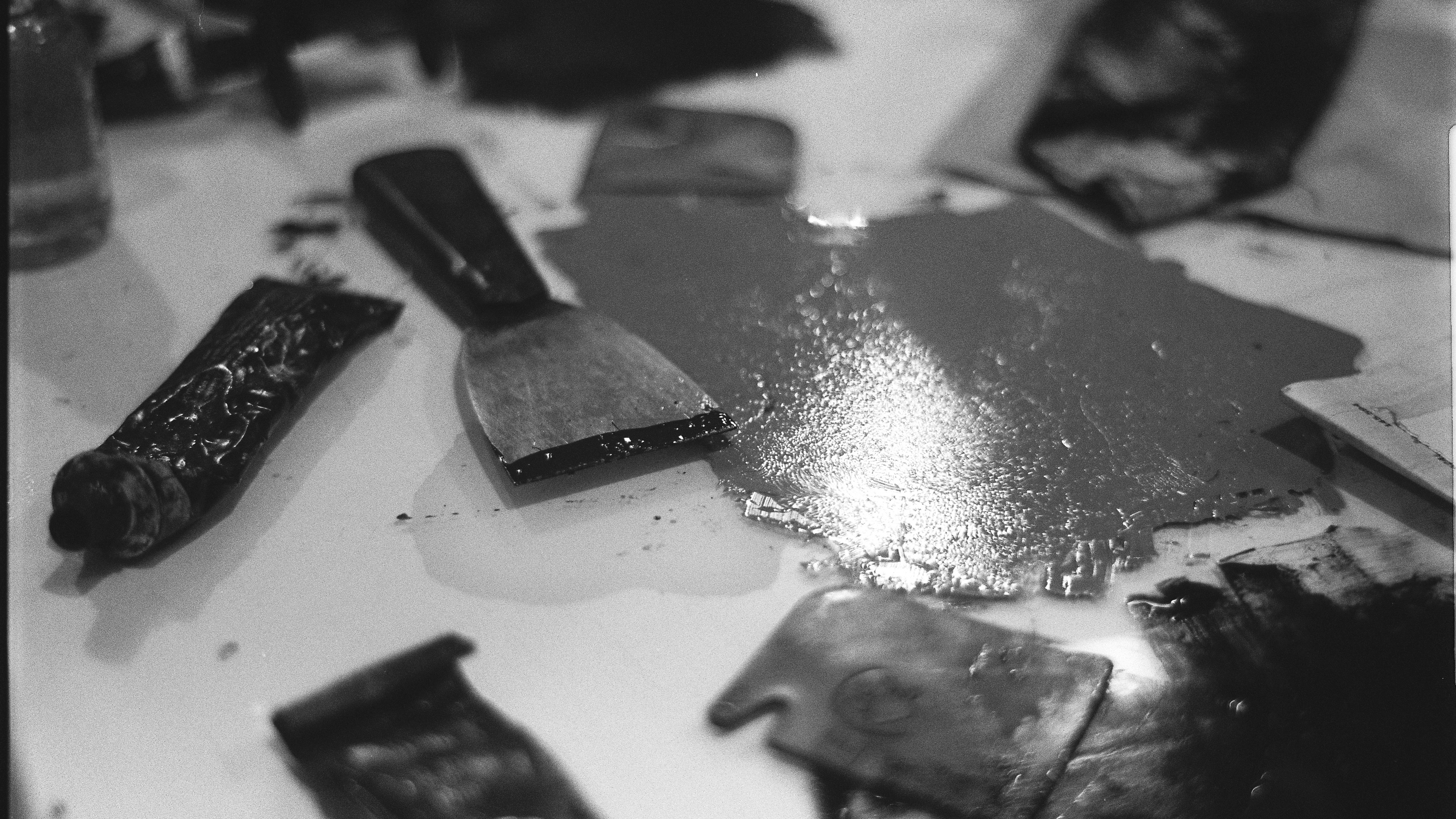
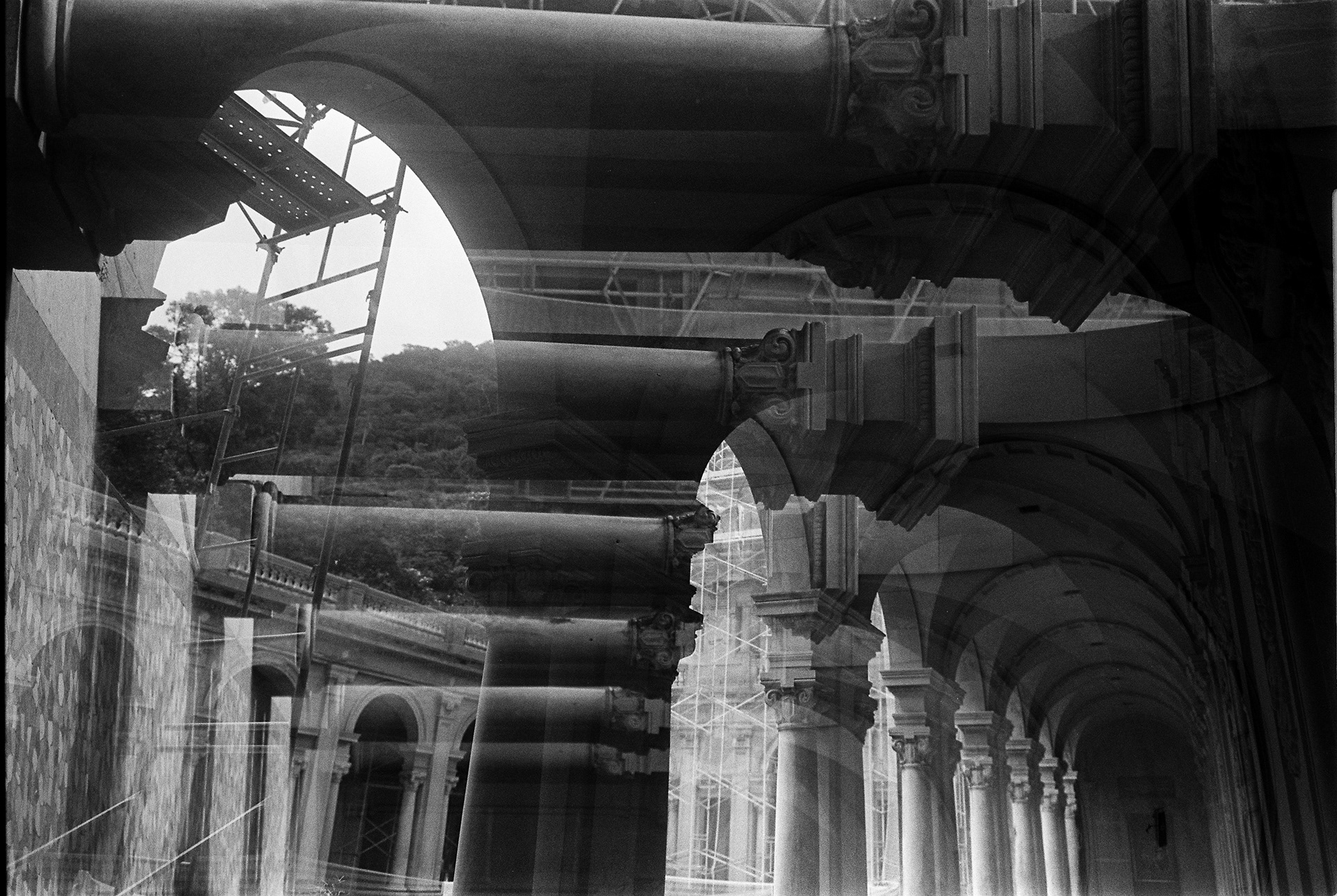
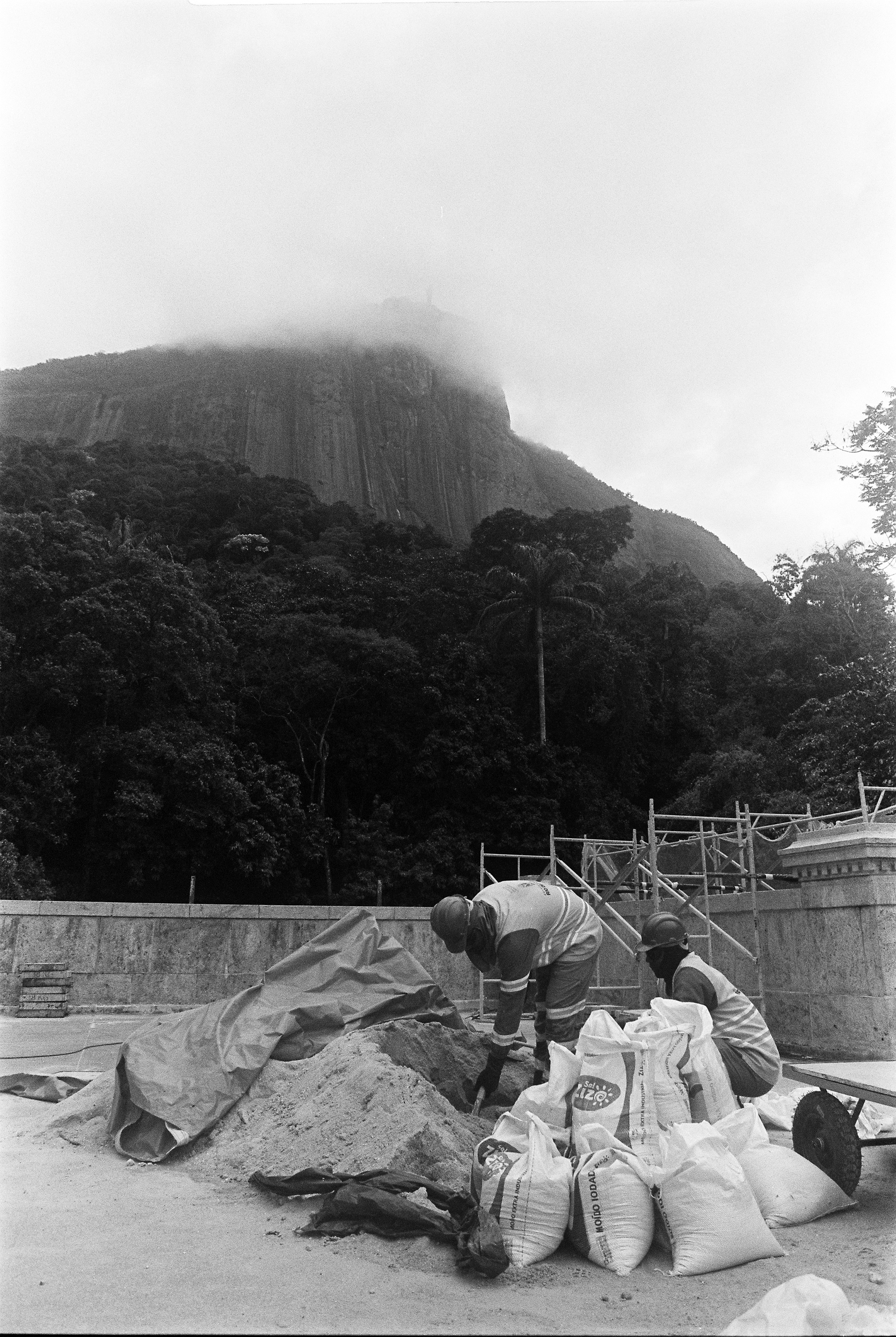
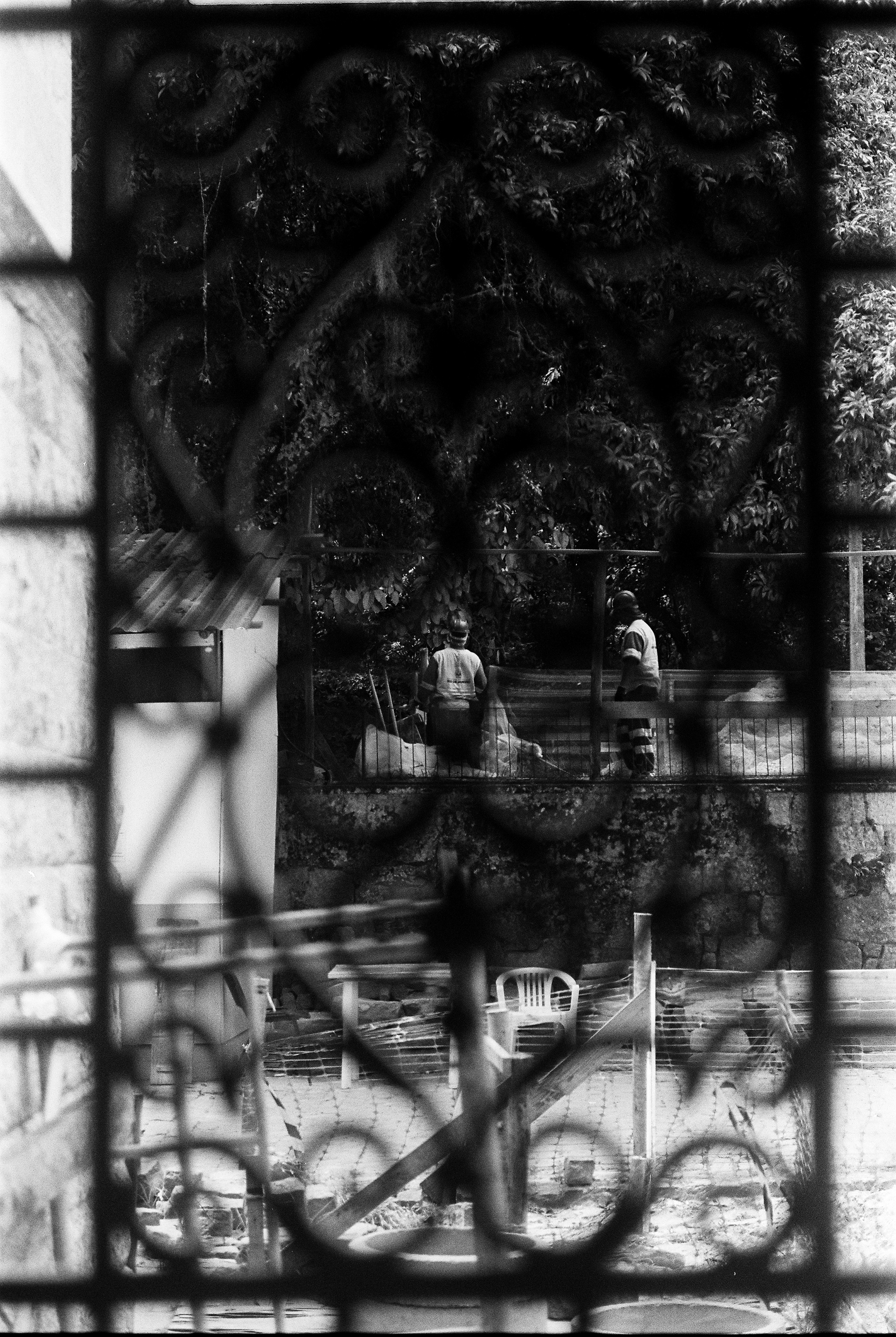
a pá arqueava e desenhava um arco perfeito no céu rarefeito da construção, entre arbustos baixos e árvores centenárias. dos olhos pingavam pensamentos silenciosos, entre o sal do suor e a lágrima das retinas. a areia marcava um ritmo acelerado entre o metal da ferramenta e o assoalho de cimento. todo canteiro é uma chance. os braços deslizavam num movimento insano como quem esquece e relembra > esquece e relembra > esquece e relembra. todo canteiro é uma chance, é um pórtico abaulado entre a terra revirada e o céu que deita calado sobre o acidente da existência, exposto, adiando alguma destruição. no centro do crânio, uma espécie de sensação ia tomando o seu corpo, entre a pá e o vento. as folhas mexiam ao seu entorno, um corpo único, se atirando pra frente e pra trás, se ninando num único e intenso sono vertiginoso, num delírio de criação, a areia se elevando a cada novo ataque da pá, deslizando em grãos e desenhando no chão um pequeno mapa das cisrcunstâncias anônimas. todo canteiro é uma chance. uma veia aberta. uma reunião de seres, seus delírios, seus suores, suas marcas no tempo num tempo que lhes marca. todo canteiro é uma chance de destruir a destruição, se reunir com as lembranças desgarradas dos metais, azulejos, marquises, rebocos e tubulações, dos que já por ali estiveram e principalmente dos que nunca por ali estarão. todo canteiro é uma chance de reescrever um tracejado torto e fugidio na cartografia de uma implosão. os olhos transportavam cada grão, em sua unidade, seu peso e sua dimensão. carregavam em si a proporção, as leis aritméticas, as regras cartesianas, a dor da alma. o capacete escorrega pelas têmporas, as tiras plásticas suspendem a nuca, alçando o corpo, alando, sustentado por uma corda imaginária. a última pá derruba. o pincel apoia na mesa. o martelete descansa. a peneira cai no chão pela última vez naquele dia. a fita métrica desliza pelo bolso. a betoneira desliga seu motor. o som das máquinas se cala e o silêncio cobre suavemente o canteiro. os corpos cruzam andaimes, passadiços de madeira, escadas improvisadas, degraus encimentados, deslizando seus pensamentos, semeando suas inquietudes na terra exposta, revirada, de veias para veias.
todo canteiro é uma chance.
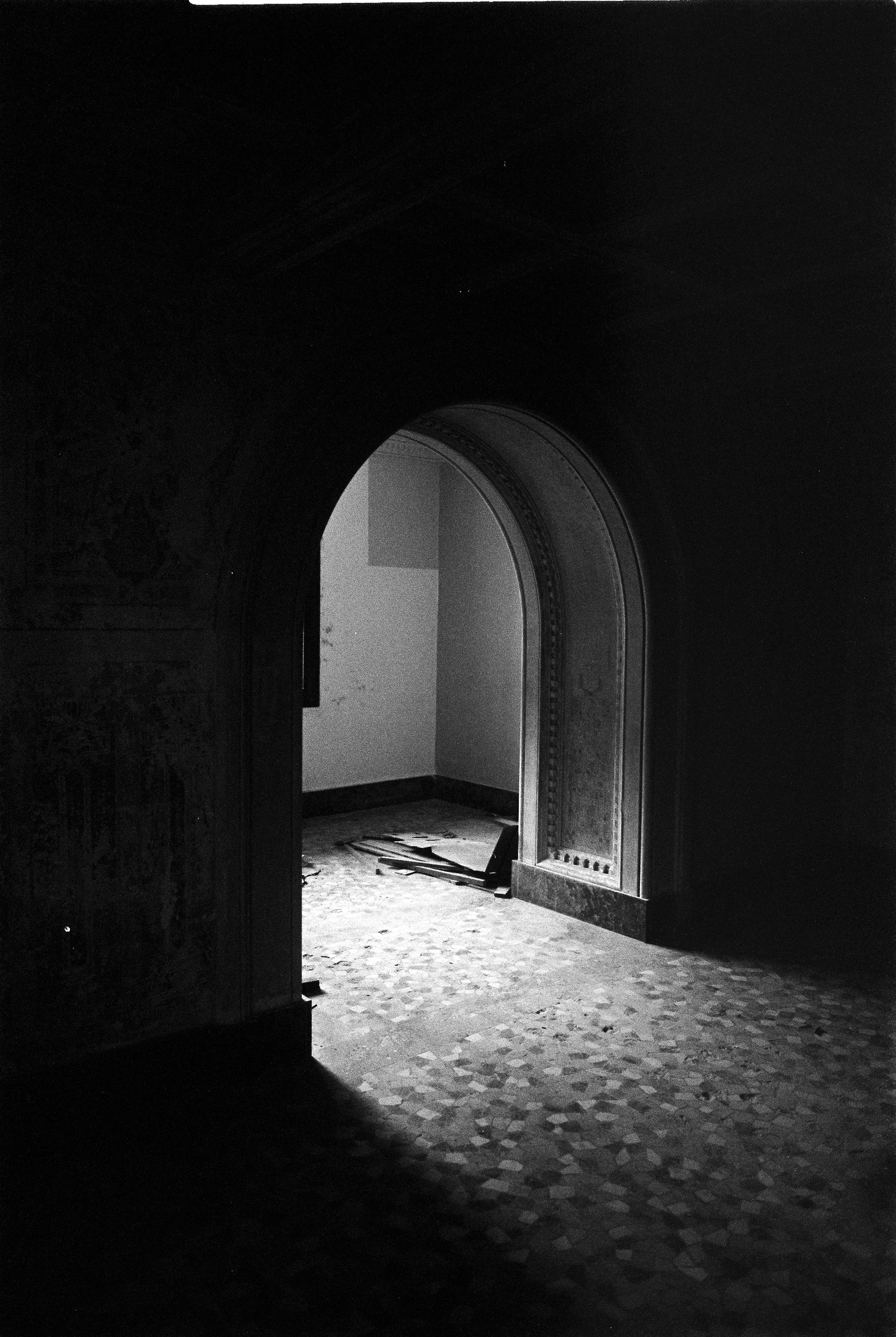
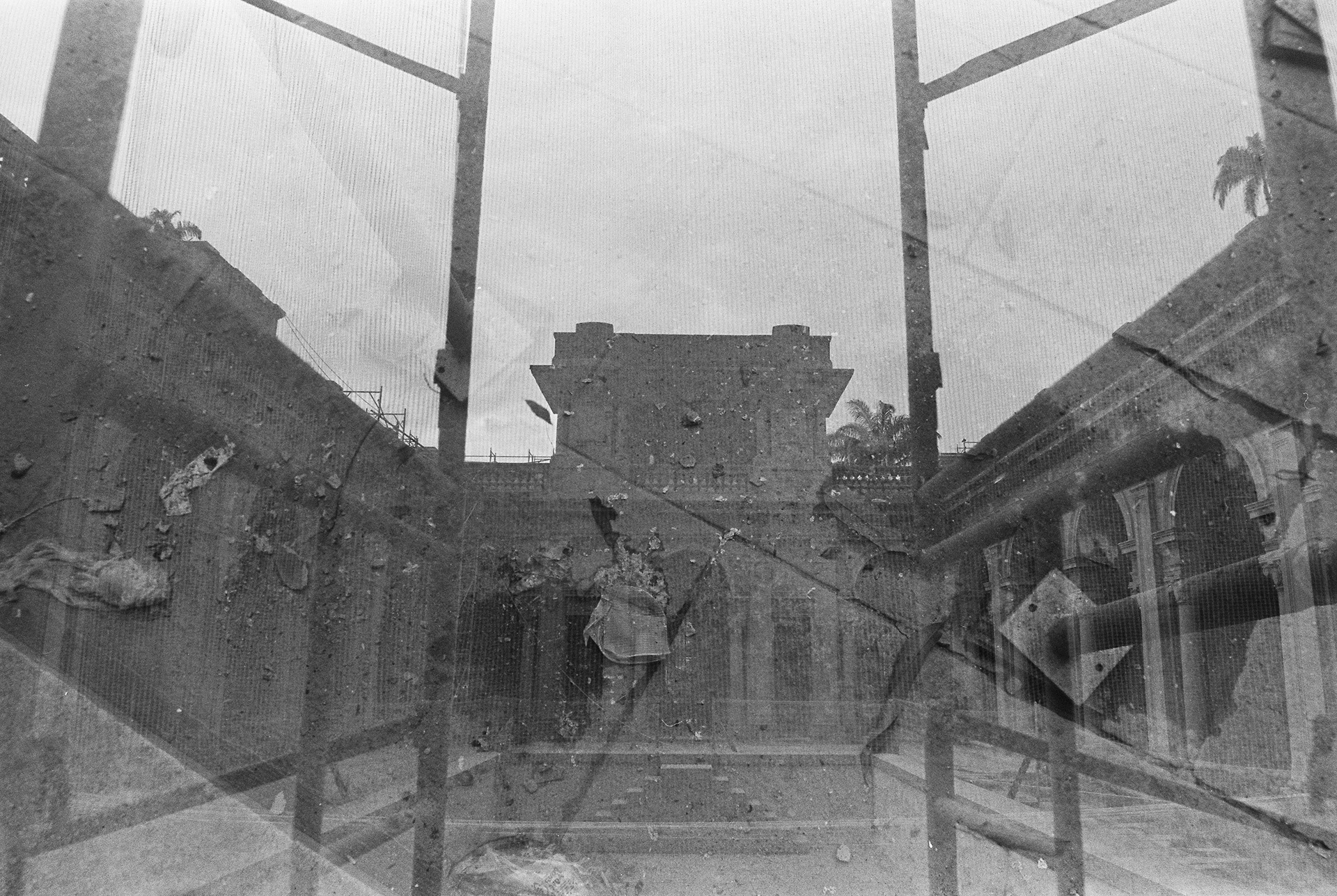
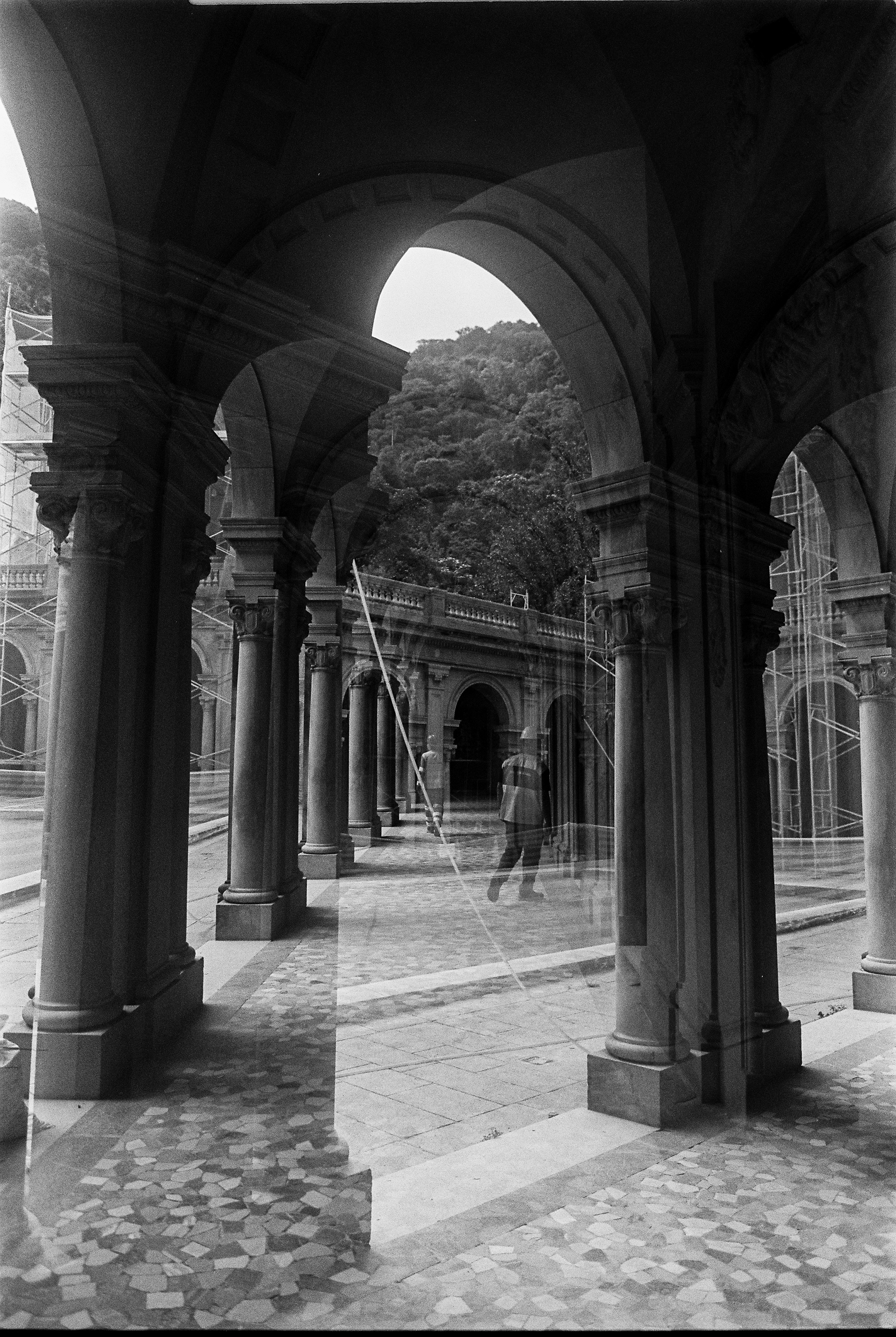
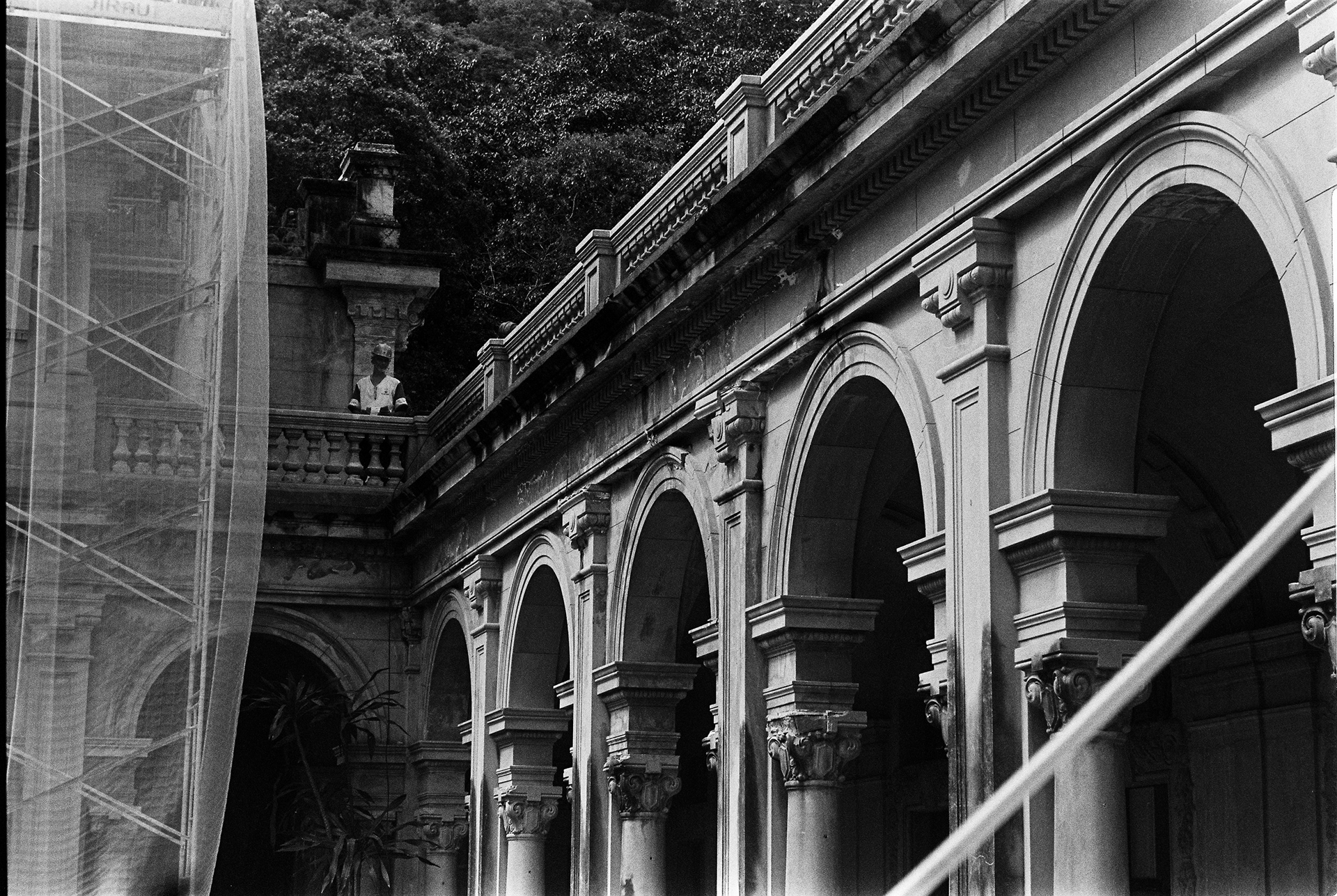
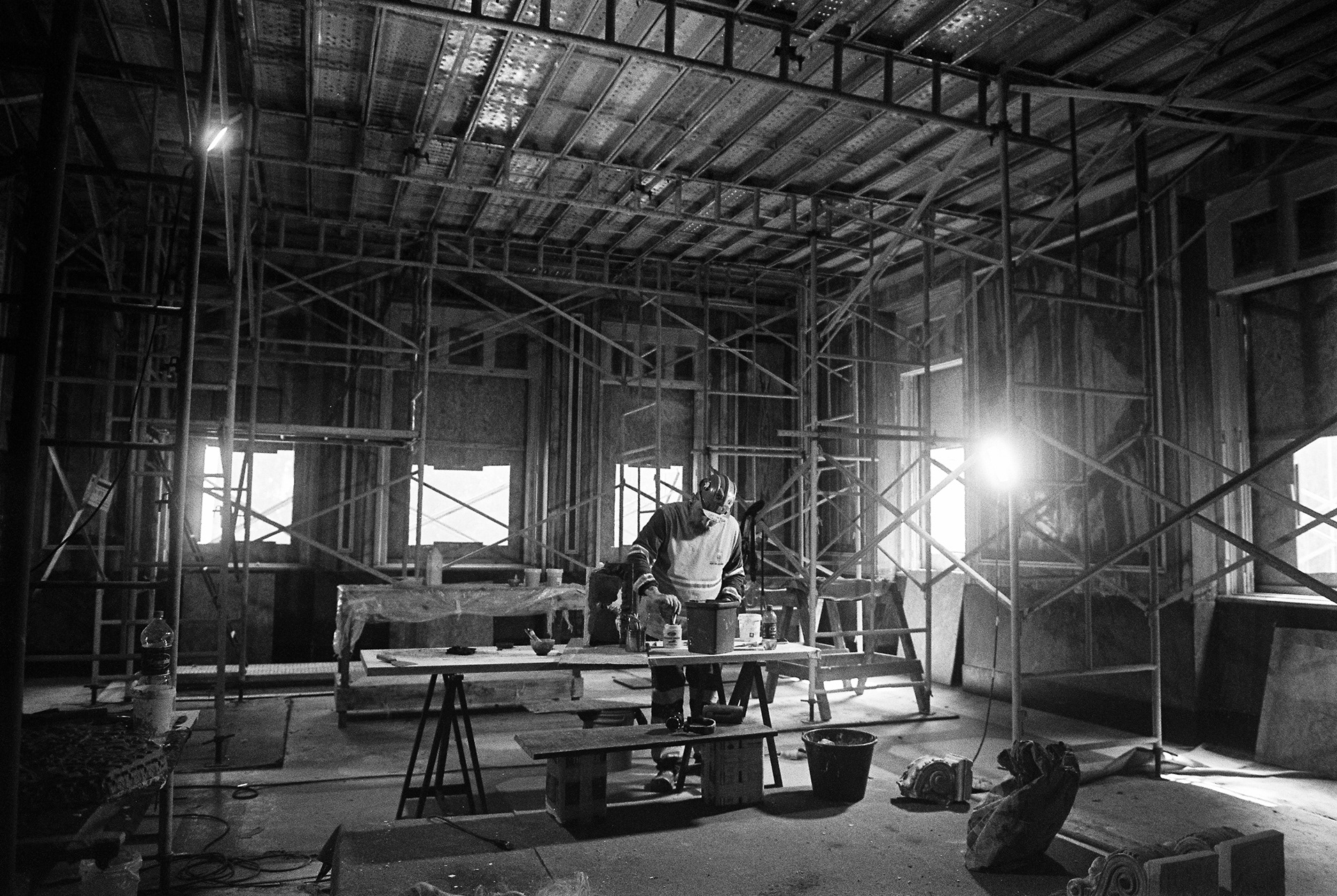

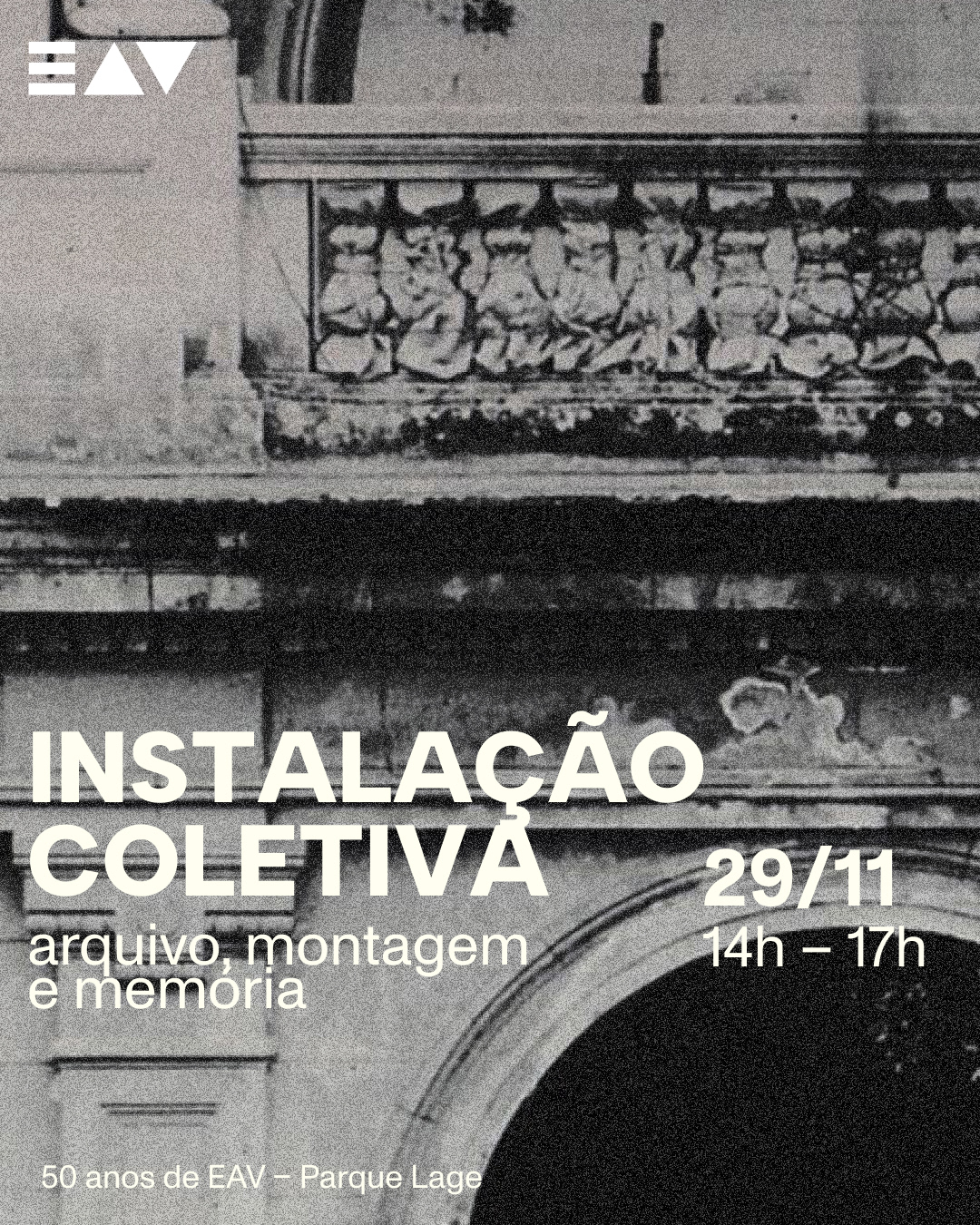
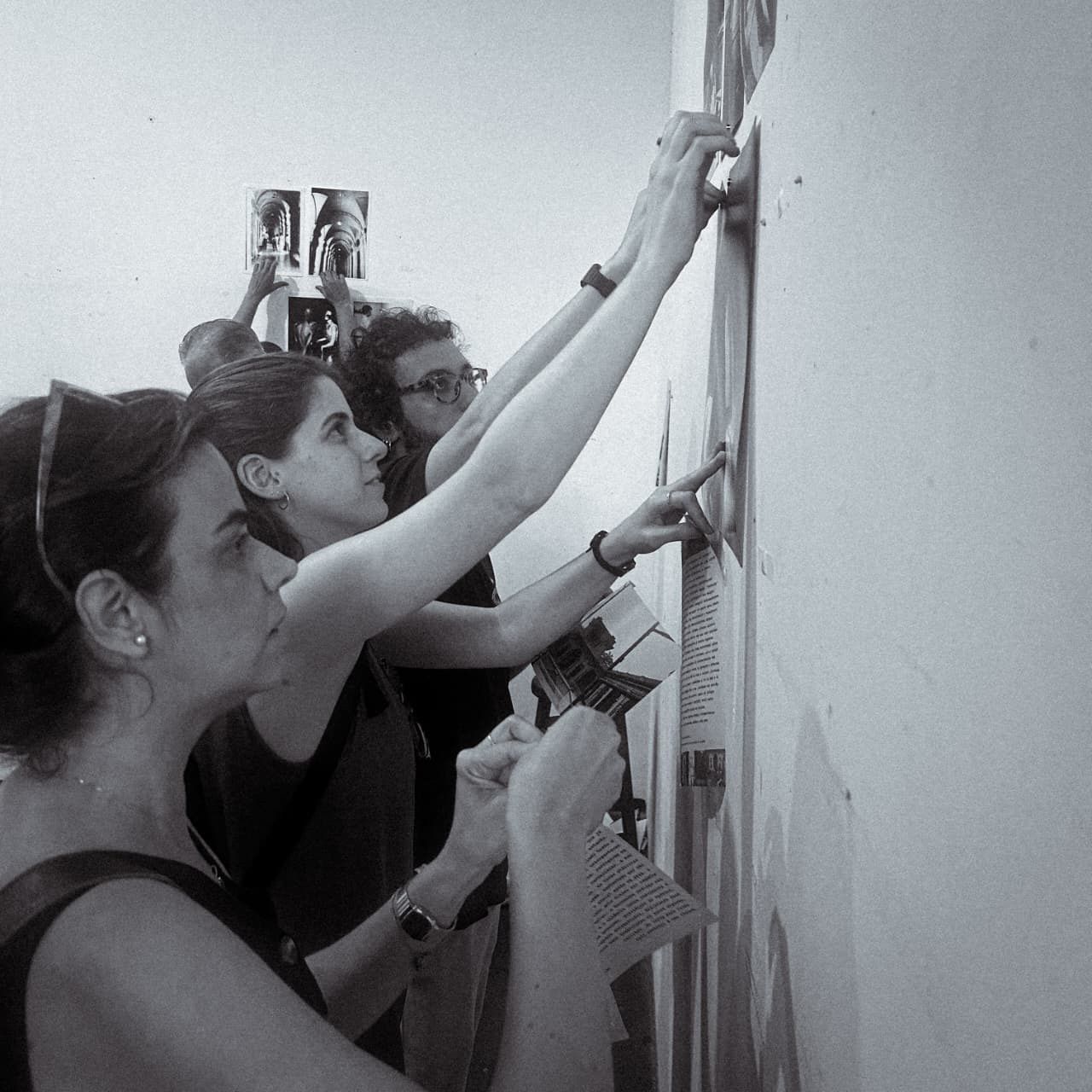
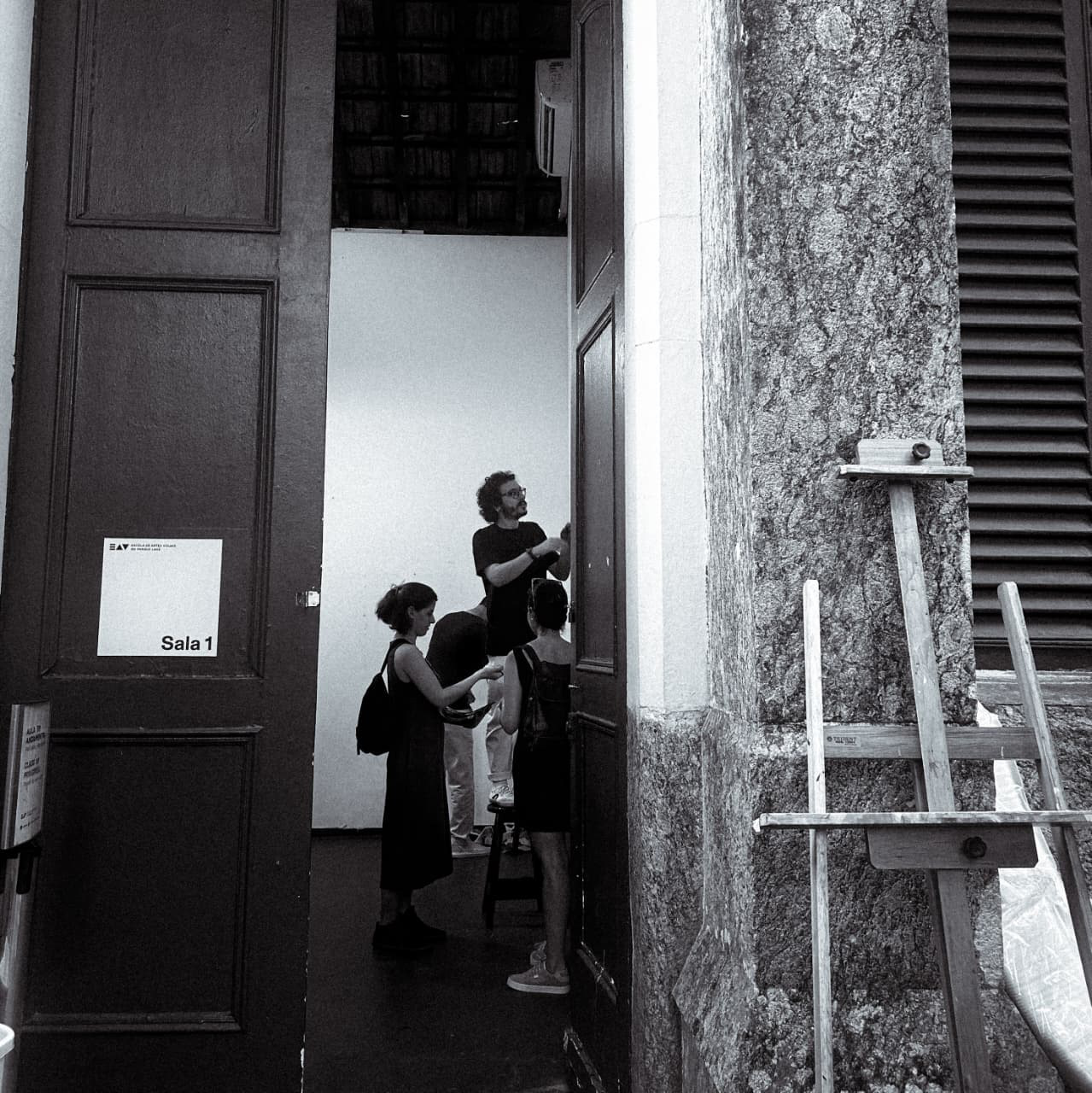
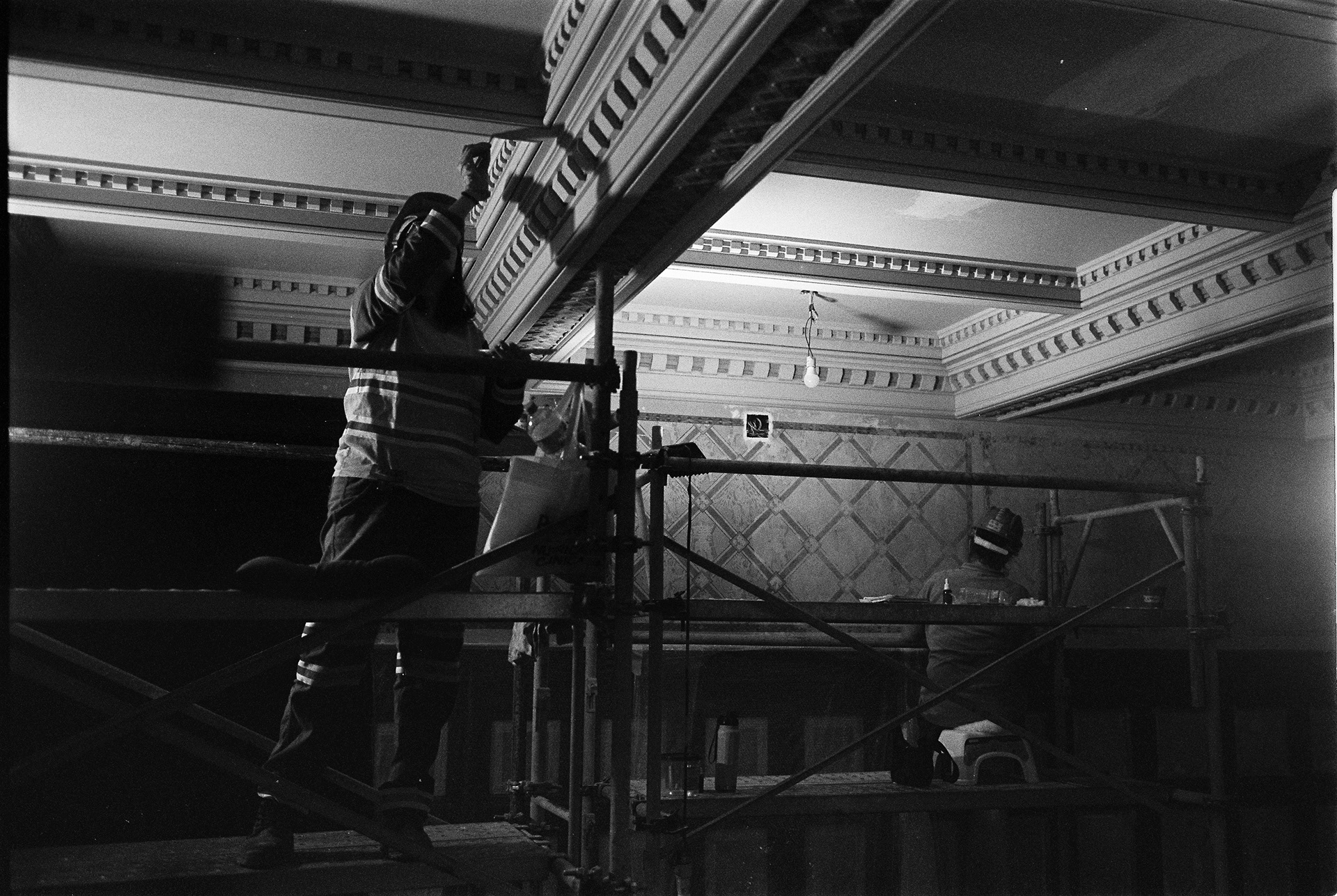
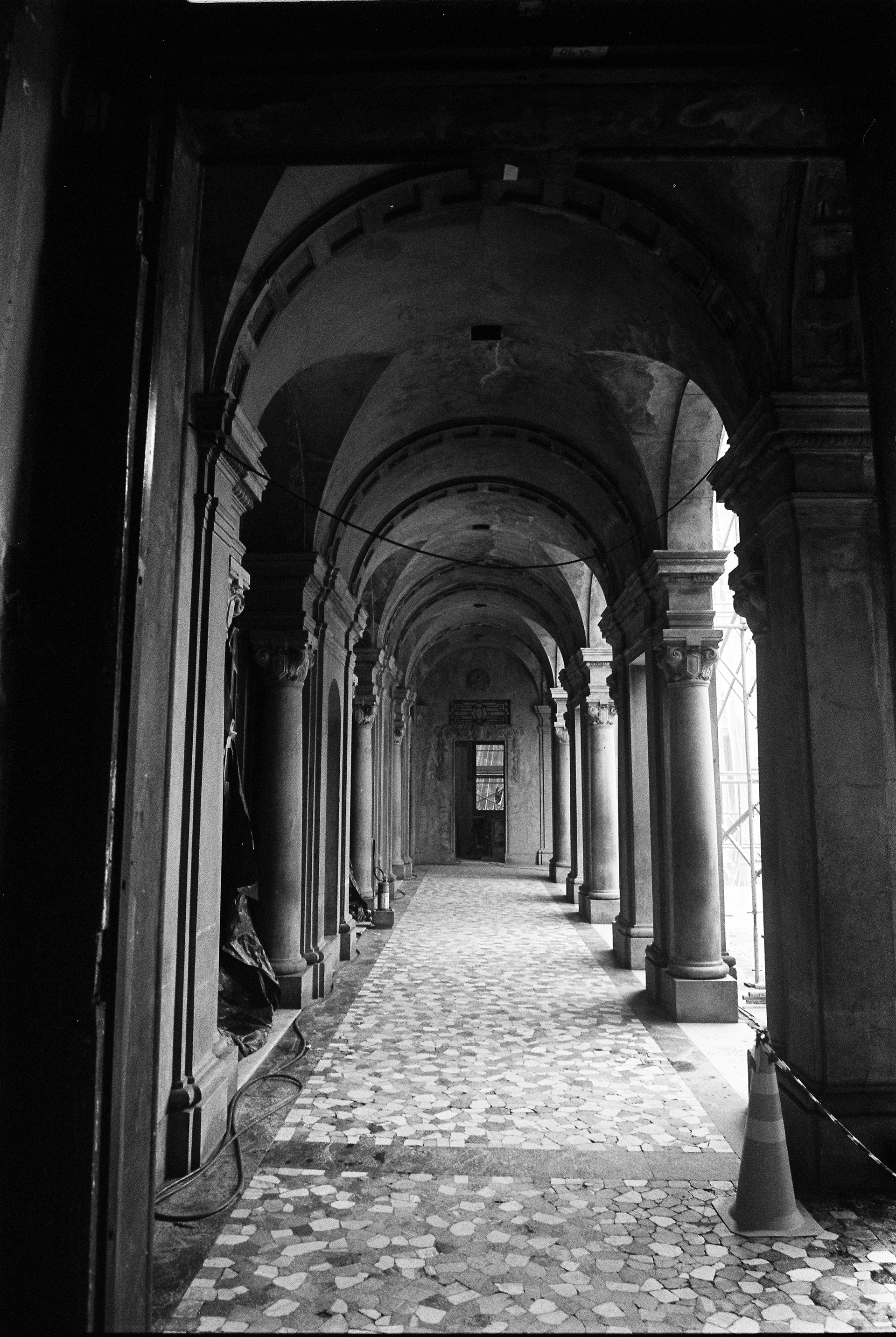
o projeto foi desenvolvido entre o dia 1 e dia 29 de Novembro. acionado pela primeira aula da oficina de Arquivo, Memória e Montagem da EAV Parque Lage, ministrado pela artista visual e professora Fabia Schnoor. o ponto de partida foi a pesquisa no acervo do Memória Lage sobre os registros fotográficos, utilizando palavras como "canteiro" | "obra" | "palacete". desse resultado, me chamou a atenção trabalhadores que surgiam nas fotografias, muitas vezes destoando dos demais nos enquadramentos. chamei essa etapa de catalogação de mapa das circunstâncias anônimas; seres que transitaram e transitavam pelo palacete e pela história da escola também confeccionando suas memórias, também entrelaçando uma vivência naquele espaço. sabendo da obra no palacete, consegui acesso a partir de três pessoas muito importantes nessa pesquisa: Bia Amaral, Tania Queiroz e Rubia Luiza. reunindo o mapa das circunstâncias anônimas e alguns dos enquadramentos já conhecidos da construção, que também surgem durante a pesquisa no acervo, visitei a obra do palacete da EAV no dia 18 de Novembro e o resultado é o que se vê. a tentativa - sempre na tentativa - de registrar a gênese das memórias, que a cada segundo se enfeitiça e gira, numa espiral do tempo, respira sob o capacete amarronzado, amarrada entre tiras plásticas e espumas macias. sustenta a vestimenta azulada com faixas reflexivas. e constrói mais do que revestimentos e paredes maciças, mas talvez a própria condição para que a memória permaneça viva e em eterno movimento.
a obra do palacete é uma intervenção do Governo do Estado do Rio de Janeiro, através da SEIOP - SECEC.
_____
[ENG]
the shovel arched and traced a perfect curve in the thin construction-site sky, between low shrubs and century-old trees. from the eyes dripped silent thoughts, between the salt of sweat and the tear of the retinas. the sand beat out a quickened rhythm between the metal of the tool and the cement flooring. every worksite is a chance. the arms slid in a frantic movement like someone who forgets and remembers > forgets and remembers > forgets and remembers. every worksite is a chance, a bowed portico between the upturned earth and the sky lying quiet over the accident of existence, exposed, postponing some destruction. in the center of the skull, a kind of sensation was taking over the body, between the shovel and the wind. the leaves stirred around him, a single body throwing itself forward and back, rocking itself into a single and intense vertiginous sleep, in a delirium of creation, the sand rising with each new strike of the shovel, sliding in grains and drawing a small map of anonymous circumstances on the ground. every worksite is a chance. an open vein. a gathering of beings, their deliriums, their sweats, their marks in time within a time that marks them. every worksite is a chance to destroy destruction, to meet the memories unmoored from metal, tiles, ledges, renderings, and pipes, from those who had once been there and especially those who never will. every worksite is a chance to rewrite a crooked and fugitive tracing in the cartography of an implosion. the eyes carried each grain, in its singularity, its weight, its dimension. they carried in themselves proportion, arithmetic laws, Cartesian rules, the soul’s ache. the helmet slips along the temples, the plastic straps lifting the nape, raising the body, winging it, held by an imaginary rope. the last shovelload drops. the paintbrush rests on the table. the hammer drill sleeps. the sieve falls to the floor for the last time that day. the tape measure slides into the pocket. the concrete mixer shuts down its engine. the sound of machines quiets and silence gently covers the site. bodies cross scaffolds, wooden walkways, improvised stairs, cemented steps, sliding their thoughts, sowing their unrest into the exposed earth, overturned, from vein to vein.
every worksite is a chance.
the project was developed between November 1st and 29th. it was set in motion by the first class of the Archive, Memory and Montage workshop at EAV Parque Lage, taught by visual artist and professor Fabia Schnoor. the starting point was research in the Memória Lage archive on photographic records, using words such as “canteiro” | “obra” | “palacete.” from this search, what caught my attention were the workers who appeared in the photographs, often standing out from the rest within the frames. I called this cataloguing stage the map of anonymous circumstances; beings who moved and still move through the palacete and through the school’s history, also crafting their memories, also weaving a lived experience in that space. aware of the construction work in the palacete, I gained access thanks to three people who were essential to this research: Bia Amaral, Tania Queiroz and Rubia Luiza. bringing together the map of anonymous circumstances and some of the already-known framings of the construction—framings that also surfaced during the archive research—I visited the EAV palacete worksite on November 18th, and the result is what one sees. the attempt—always an attempt—to register the genesis of memories, which every second bewitch themselves and spin in a spiral of time, breathing beneath the brownish helmet, tied among plastic straps and soft foams. it supports the bluish garment with reflective bands. and builds more than claddings and massive walls, but perhaps the very condition for memory to remain alive and in eternal motion.
the palacete’s construction work is an intervention by the Government of the State of Rio de Janeiro, through SEIOP – SECEC.